Architecture and Interiors as One
Conversation
We believe architecture and interior design
should never exist as separate layers. At
Rohit+Matin, both disciplines are developed together—allowing the
building, its spaces, materials, services,
lighting, furniture, art and detailing to become part of one
coherent design narrative. This integrated
approach is particularly important in hospitality, where a
successful project must simultaneously respond to
the aspirations of the owner, the operational requirements of the
brand and, ultimately, the experience of
the guest. For us, design is therefore as much about planning,
coordination and intelligent decision-making
as it is about aesthetics.
Contemporary Design, Rooted in Place
Every destination has a story. We are
interested in discovering that story rather than
imposing one upon it. Local architecture, craft, landscape,
materials, culture and memory often become the
starting points for our work. We interpret these influences
through a contemporary lens, creating spaces
that belong to their location without becoming literal
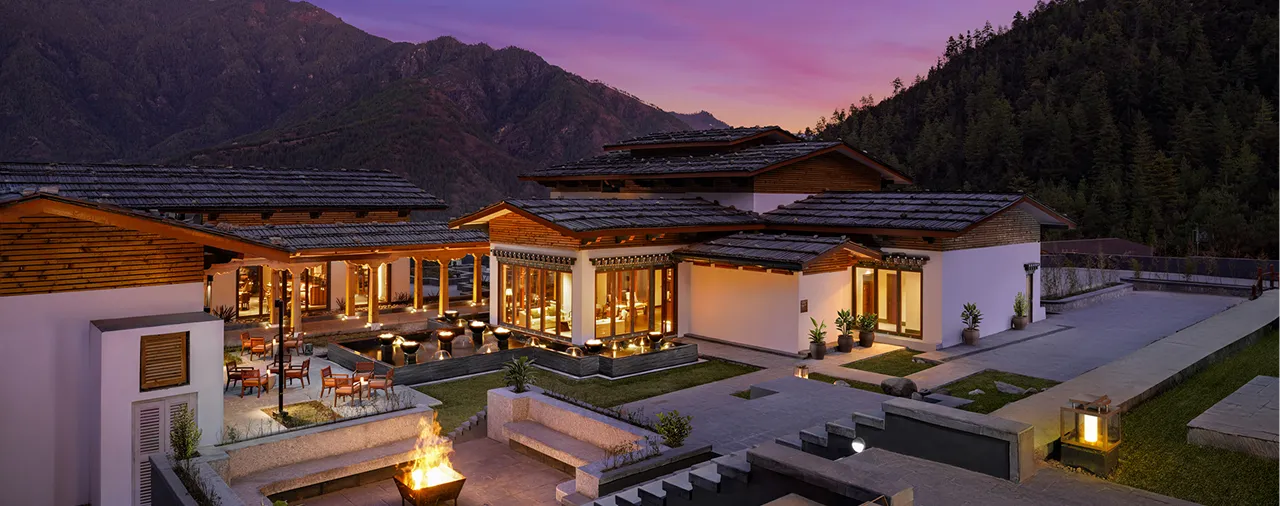
reproductions of the past. This philosophy has become
particularly meaningful in our work on heritage properties,
adaptive reuse projects and destination resorts,
where the challenge is not simply to preserve what exists, but to
allow it to live again with relevance. We
believe luxury does not necessarily come from excess, but from
authenticity, proportion, materiality,
craftsmanship and a genuine sense of place.
Design That Has to Work
Hospitality design carries a particular
responsibility. A hotel or resort must delight
its guests, but it must also work efficiently every day for the
people who operate it and for those who have
invested in creating it. Our experience has taught us to look
beyond the visible layer of design.
Architecture, structure, MEP, back-of-house planning, lighting,
technology, signage, landscape, art and
interiors must ultimately work as a coordinated ecosystem. The
earlier these conversations happen, the
stronger the project becomes. This understanding allows us to
balance design ambition with constructability,
operational efficiency, budgets and long-term asset value—without
losing sight of the experience we set out
to create.